
How to Clean an iPad Cover
author: Eliza
2026-01-26

How to Clean an iPad Cover: Real-Life Tips (No Fancy Tools Needed)
Let’s be real—your iPad cover works as hard as you do. It goes from your bag to your couch, your desk to your coffee shop table, and let’s not forget the random smudges from your kids, your coffee spill, or that time you wiped your hands on it after grabbing a snack. Over time, it gets grimy, sticky, or just plain gross—and most of us have no clue how to clean it without ruining the material.
I’m not here to give you some fancy, over-the-top method that requires specialty cleaners (who even has those?). This is just real-life advice—stuff I actually do at home, stuff my friends do, stuff that works without messing up your case. Let’s break it down by the most common iPad cover materials, since that’s where most people go wrong.

First: The Golden Rule (Don’t Skip This!)
No matter what your case is made of always remove your iPad first. I know, it sounds obvious—but I’ve seen people try to wipe down a case while the iPad is still inside, and then liquid seeps into the ports. Big no-no. Take 2 seconds to pop your iPad out, and you’ll avoid a costly mistake. Also, never soak the entire case in water—spot cleaning is your friend.
1. Silicone/TPU Cases (The Most Common Ones)
These are the flexible, rubbery cases—super popular because they’re durable and affordable. They also attract the most dust and grime, thanks to that sticky texture.
-
Grab a microfiber cloth (the same one you use to clean your iPad screen—no paper towels, they scratch!).
-
Mix a tiny bit of mild dish soap (like Dawn) with warm water—just enough to make a little suds. You don’t need much!
-
Dampen the cloth (don’t soak it!) and wipe down the case, focusing on the dirty spots—like the edges where crumbs get stuck, or the back where fingerprints build up.
-
For tough stains (like marker or food), use a soft-bristled toothbrush (old one, obviously) to gently scrub—don’t press too hard, or you’ll leave scratches.
-
Wipe off any soapy residue with a clean, damp cloth, then let it air dry completely (don’t use a hair dryer—heat can warp the silicone).
Pro tip: If your silicone case is really sticky (from years of use), add a tiny pinch of baking soda to the soapy water—it works wonders for cutting through that grime, without being too harsh.

2. Leather/Faux Leather Cases (The Fancier Ones)
Leather or faux leather cases look sleek, but they’re tricky to clean—too much water, and you’ll ruin the material. I learned this the hard way (RIP my favorite leather case).
-
Stick to a dry microfiber cloth first—wipe down the entire case to remove dust and loose dirt. Most of the time, this is all you need for light grime.
-
For stains (like coffee or oil), dampen the cloth with a tiny bit of warm water—just enough to make it slightly moist. Blot the stain (don’t rub!)—rubbing will push the stain deeper into the leather.
-
If it’s a real leather case, you can use a small amount of leather conditioner after it dries to keep it from cracking (I use a cheap one from Walmart—works just as well as the expensive brands).
-
Never use soap, alcohol, or cleaning wipes on leather—they’ll dry it out, fade the color, and make it crack over time.

3. Fabric/Canvas Cases (The Cozy Ones)
Fabric or canvas cases are great for adding a little personality, but they absorb stains like a sponge. The good news? They’re pretty forgiving to clean.
-
For light stains, use a lint roller first to remove any pet hair or lint, then spot clean with a damp cloth and a drop of mild dish soap. Gently rub the stain in a circular motion.
-
If the case is really dirty (like, backpack-grimy), you can put it in a mesh laundry bag and toss it in the washing machine on a gentle cycle—cold water only, no bleach or fabric softener.
-
Air dry it completely—don’t put it in the dryer. Heat will shrink or warp the fabric, and it might ruin any prints or designs on the case.

Quick Bonus Tips (For Lazy Days)
-
Wipes: You can use a baby wipe (unscented is best) for quick touch-ups on silicone or faux leather cases—just avoid using them on real leather or fabric (they leave a residue).
-
Alcohol: Only use isopropyl alcohol (70%) on silicone cases—dampen a cloth with a tiny bit, wipe, and air dry. Never use it on leather, fabric, or cases with prints (it will fade them).
-
Frequency: Try to clean your case every 2-3 weeks—this keeps grime from building up and makes cleaning way easier.
When It’s Time to Replace Your Case
Let’s be honest—sometimes no amount of cleaning will save a case. If it’s cracked, peeling, has permanent stains, or just feels gross even after cleaning, it’s time to upgrade. And when you do, let me tell you where to go: Vorkycase.
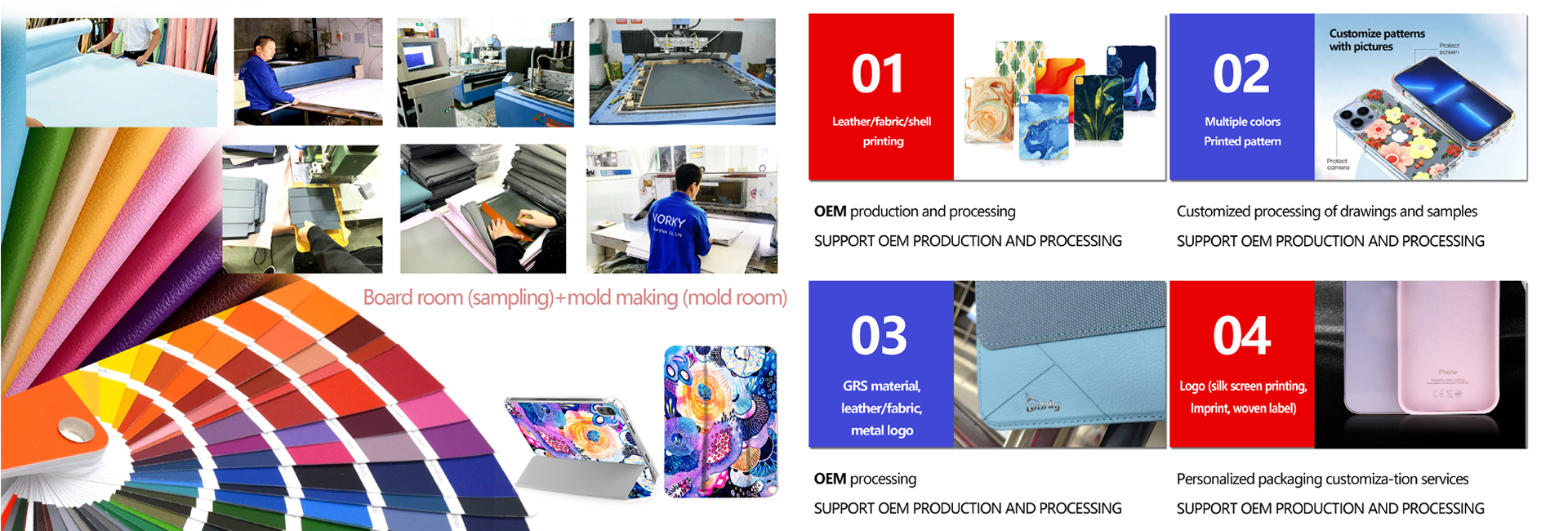
I’ve been recommending Vorkycase to friends and colleagues for years—they’re a trusted factory with 15 years of experience, making high-quality iPad covers, iPad keyboard cases, phone cases, and more. Their cases are not only durable and stylish, but they’re also easy to clean (hello, low-maintenance win!).
Whether you need a simple silicone case, a sleek leather one, or even a custom case (they do logos, custom materials, and colors!), Vorkycase has you covered. They ship worldwide, with fast, on-time delivery, and their quality is top-notch—no cheap, flimsy cases here.
So, if you’re tired of dealing with dirty, worn-out cases (or just want a new one that’s easy to keep clean), head over to Vorkycase to browse their collection. Your iPad (and your sanity) will thank you.
Happy cleaning—and happy case shopping!


Where to Buy iPad Cases?
how to take off ipad case
Related Article


If you still use your iPad Mini 2 for note-taking, reading or light work, finding a well-fitted case with keyboard can feel tricky. Many universal keyboard cases either do not fit the iPad Mini 2 properly or have flimsy keys that break quickly. This guide breaks down what to look for in an iPad Mini 2 case with keyboard, and introduces our reliable Vorkycase option.
iPad Mini 2 Case with Keyboard

Connecting an iPad keyboard case should be quick and effortless, but many users run into pairing failures, lag, or no connection at all. Most connection issues are not device faults — they are simply caused by incorrect setup. This honest, easy-to-follow guide covers the two most common connection methods for all iPad keyboard cases, plus quick fixes for frequent problems.
How to connect ipad keyboard case
